Finding the Diverse Types and uses of Rubber Keypads in the Technology Landscape Today
Rubber keypads have developed themselves as important elements in numerous technical applications. Their versatility makes them suitable for consumer electronics, industrial devices, and clinical gadgets. As these keypads remain to progress, brand-new personalization choices and design fads emerge. This motivates a better assessment of their advantages and producing processes. Understanding these components may reveal why rubber keypads continue to be a recommended option in the innovation landscape. What exists ahead for this functional element?
Introduction of Rubber Keypads
Rubber keypads act as a basic component in various electronic tools, supplying a responsive interface for user communication. These keypads are typically made from silicone or rubber materials, which give versatility and longevity. Their style frequently incorporates elevated letters or signs, enhancing usability by allowing customers to really feel the secrets - Rubber Keypads. Rubber keypads are resistant to dirt, dampness, and wear, making them appropriate for demanding environments
They can be personalized pertaining to shade, dimension, and shape, enabling producers to produce unique interfaces customized to certain products. The manufacturing procedure typically entails techniques such as molding and printing, making certain top notch outcome. Consequently, rubber keypads not just boost performance but additionally contribute to the overall aesthetic appeals of the tool. With these attributes, rubber keypads remain a prominent selection for both consumers and producers, emphasizing their relevance in the technology landscape.
Common Applications in Consumer Electronic Devices
While many electronic devices depend on touchscreens for individual interaction, rubber keypads remain to play a vital role in customer electronics. These keypads are widely used in devices such as push-button controls, pc gaming controllers, and home devices, where responsive feedback improves individual experience. Their durability and resistance to use make them suitable for tools frequently subjected to heavy usage.
Rubber keypads are also preferred in smart phones and mobile gadgets, where small designs require receptive and trustworthy input techniques. The capability to personalize the form and structure of rubber keypads enables makers to produce one-of-a-kind designs that interest consumers. Furthermore, the soft touch of rubber offers comfort throughout prolonged use, making these keypads a favored option for gadgets requiring prolonged interaction. Generally, rubber keypads continue to be a crucial part in the customer electronics landscape, integrating functionality with easy to use attributes.
Duty in Industrial and Medical Tools
Rubber keypads play an important duty in both clinical and commercial tools, using resilience and reliability in demanding environments. In industrial settings, they are usually used in control panels and machinery, boosting driver interaction with complicated systems. Similarly, in the clinical field, rubber keypads assist in straightforward user interfaces for tools that require precision and hygiene.
Industrial Tools Applications
Keypads play a necessary role in the functionality and user experience of commercial and medical tools. In commercial setups, rubber keypads give a durable user interface for equipment and control systems, enabling operators to conveniently input commands and change settings. Their resistance to dust, moisture, and chemicals warranties reliability under extreme problems common of factories and making plants. In addition, the responsive feedback supplied by rubber keypads boosts customer communication, minimizing the possibility of input errors. Along with standard equipment, these keypads are essential in automated systems and robotics, where precision is extremely important. The adaptability of rubber keypads in various commercial applications underscores their relevance in enhancing functional performance and guaranteeing safety and security in complicated settings.
Medical Device Combination
As medical tools progressively require easy to use user interfaces, the combination of rubber keypads has actually ended up being vital in ensuring reliable interaction between medical care professionals and equipment. These keypads supply responsive feedback, assisting in instinctive operation also in high-pressure environments. Their durability and resistance to severe cleaner make them optimal for clinical setups, where hygiene and long life are vital. Additionally, rubber keypads can be personalized to include different shapes, sizes, and colors, improving visual acknowledgment and ease of access for customers. This adaptability permits for the development of specialized controls customized to specific medical features, boosting general performance. Subsequently, the role of rubber keypads in medical device assimilation not only enhances capability yet additionally advertises individual safety and security and operational reliability in healthcare environments.
Personalization Options and Style Trends
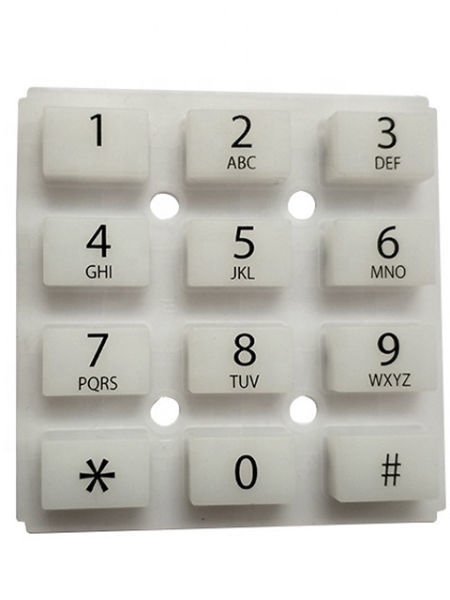
Recent style patterns emphasize minimalism and ergonomics, prioritizing customer comfort and intuitive interaction. Personalized logos and branding can be incorporated into keypads, enabling firms to keep a cohesive brand name identification across their products. Furthermore, improvements in manufacturing strategies, such as silicone molding, have made it much easier to attain intricate layouts and customized formats.
Benefits of Rubber Keypads Over Various Other Kinds
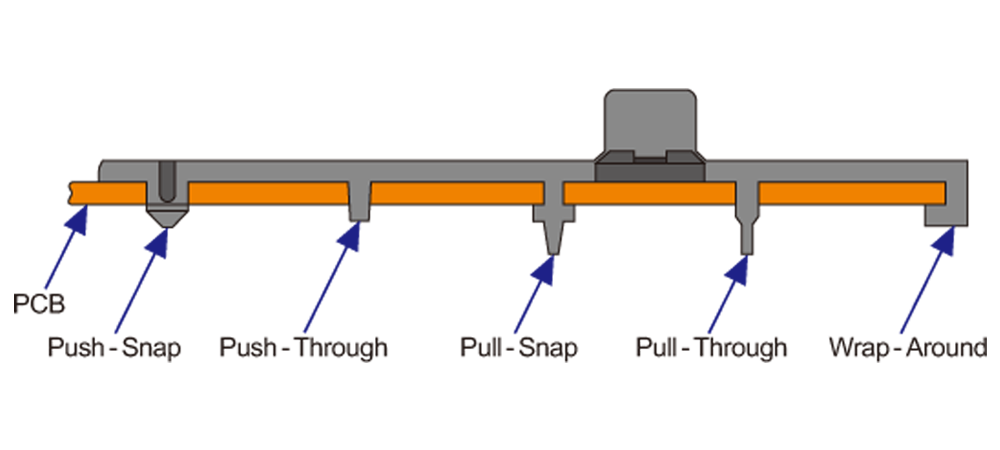
Rubber keypads are likewise known for their resilience and resistance to ecological aspects. They can withstand dirt, dampness, and temperature variations, making them perfect for commercial or outside setups. Furthermore, rubber keypads are commonly quieter than their plastic or steel counterparts, decreasing environmental pollution in common atmospheres.
In addition, the cost-effectiveness of rubber keypads makes them an attractive alternative for producers. Their lightweight nature adds to reduce delivery expenses, while their this website personalized layouts deal with particular branding needs. Generally, rubber keypads represent a functional and dependable remedy in the technology their explanation landscape.
Production Techniques for High Quality and Resilience
In the manufacturing of rubber keypads, the choice of suitable materials and molding processes plays an essential duty in establishing overall high quality and sturdiness. Different molding methods, such as compression and injection molding, substantially affect the last product's efficiency. Understanding these elements is vital for accomplishing suitable lead to rubber keypad production.
Molding Processes Discussed
A range of molding procedures play an essential role in the production of rubber keypads, ensuring both quality and longevity. One of the most common strategies include compression molding, transfer molding, and injection molding. Compression molding involves placing rubber in a warmed mold, where warmth and pressure form it right into the desired kind. Transfer molding enables even more specific control over material circulation and is ideal for complex designs (Rubber Keypads). Shot molding, understood for its rate and performance, injects liquified rubber right into a mold and mildew under high pressure, producing high-volume components with constant quality. Each approach offers unique benefits, affecting factors such as manufacturing design, speed, and expense versatility, inevitably impacting the performance and life expectancy of rubber keypads in numerous applications
Product Selection Relevance
Material choice plays an important duty in the production of rubber keypads, directly influencing their performance and sturdiness. The selection of rubber compounds, such as silicone or polyurethane, impacts tactile comments, resistance to put on, and ecological longevity. Top quality products ensure that keypads can endure extensive usage, preserving their functionality with time. Additionally, the formula of rubber influences its resistance to temperature variations and direct exposure to chemicals, which are crucial for gadgets in various atmospheres. Employing sophisticated production techniques, such as compression or injection molding, additional enhances the architectural honesty of keypads. Inevitably, careful product option and production processes contribute significantly to the general top quality, durability, and customer fulfillment of rubber keypads in today's modern technology landscape.
Future Fads in Rubber Keypad Innovation
As innovation remains to advance, the future of rubber keypad development appears appealing, with improvements positioned to improve performance and individual experience. One noteworthy pattern is the assimilation of touch-sensitive modern technology, enabling capacitive feedback that mimics the feeling of traditional buttons while supplying improved responsiveness. Additionally, the advancement of antimicrobial products is most likely to obtain traction, resolving health worries in common and public tools.
Customization alternatives are expected to expand, allowing users to individualize crucial designs and tactile feedback, consequently catering to diverse demands. The incorporation of clever innovation, such as connectivity features, might also emerge, allowing rubber keypads to connect with various other devices seamlessly. As manufacturers concentrate on sustainability, environmentally friendly materials are prepared for to become a lot more widespread, aligning with worldwide ecological goals. Overall, these trends guarantee to change rubber keypads, making them extra flexible, straightforward, and environmentally conscious in the modern technology landscape.
Frequently Asked Inquiries
How Do Rubber Keypads Compare in Cost to Various Other Keypad Kinds?
Rubber keypads generally provide a cost-efficient solution compared to other keypad types, such as membrane or mechanical choices. Their reduced production costs and toughness make them an attractive option for numerous applications in technology.
What Are the Ecological Impacts of Rubber Keypad Production?
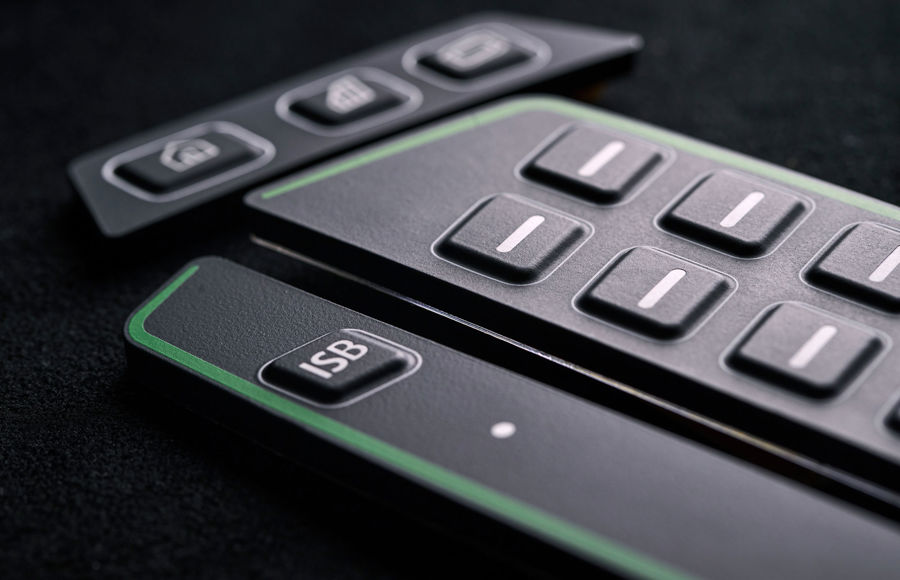
The ecological effects of rubber keypad production include source exhaustion, energy intake, and air pollution from making processes. Additionally, incorrect disposal can lead to plastic waste, contributing to environmental destruction and damaging environments otherwise handled responsibly.
Can Rubber Keypads Be Used Outdoors?
Rubber keypads can be made use of outdoors due to their longevity and resistance to weather components. Their long life might depend on the top quality of materials used and the particular ecological problems they are exposed to.
What Upkeep Is Required for Rubber Keypads?
Rubber keypads call for routine cleansing to remove dust and debris, routine inspection for wear and tear, and security from severe temperatures. Making sure proper storage space conditions can prolong their life-span and maintain functionality gradually.
Just How Do Rubber Keypads Perform in Extreme Temperatures?
Rubber keypads typically maintain functionality in extreme temperatures, exhibiting strength More Info to both cold and heat. Nonetheless, prolonged direct exposure may create material destruction, impacting their tactile feedback and total efficiency in harsh settings.
Rubber keypads serve as a basic component in various electronic gadgets, providing a tactile interface for individual communication. While lots of electronic tools rely on touchscreens for user interaction, rubber keypads continue to play a crucial function in consumer electronics. Furthermore, the soft touch of rubber supplies convenience during long term usage, making these keypads a favored choice for gadgets calling for extensive interaction. In spite of the growing selection of keypad materials offered, rubber keypads use distinctive benefits that make them a favored selection in numerous applications. Rubber keypads generally supply a cost-effective service compared to various other keypad kinds, such as membrane layer or mechanical choices.
Comments on “How Rubber Keypads help create user-friendly control panels”